5 Facts About Visceral vs Subcutaneous Fat
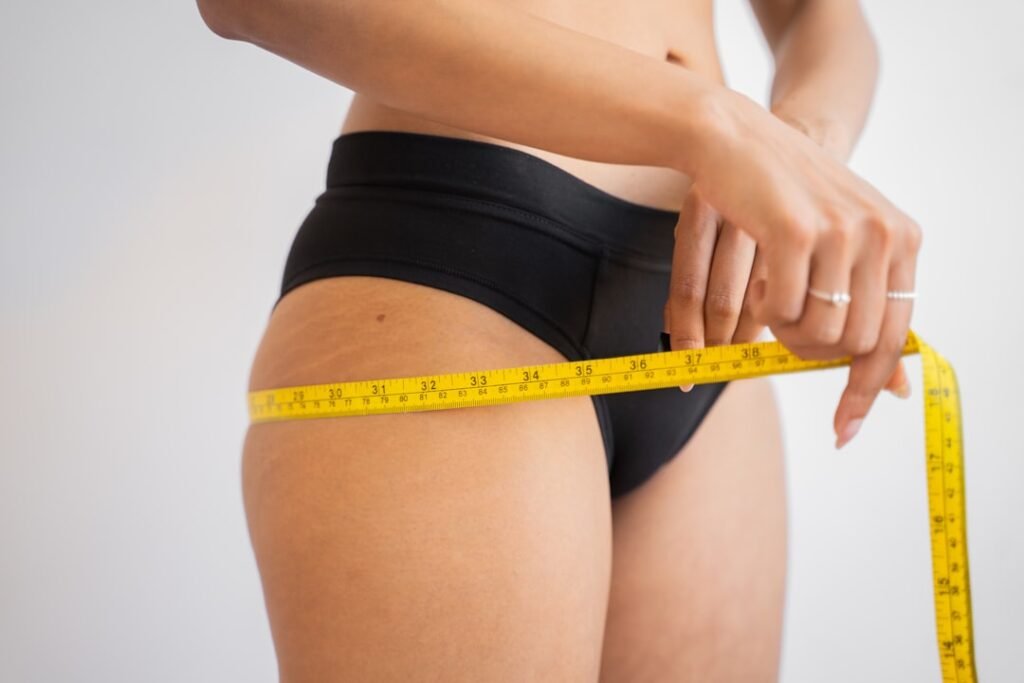
Not all body fat carries the same health risk. Where fat is stored matters as much as how much of it you have. Here are 5 facts about the two main types.
1. Subcutaneous fat makes up about 90% of your total body fat
This is the “pinchable” fat sitting just beneath your skin, on your belly, arms, hips, and thighs. It’s the fat that shows up in a skinfold caliper measurement, which is why our body fat calculator‘s tape-measure method largely reflects this layer.
2. Visceral fat surrounds your internal organs, not just your waistline
Visceral fat sits deep in the abdominal cavity, packed around the liver, stomach, and intestines. It’s firm rather than soft, and you generally can’t pinch it, unlike subcutaneous fat.
3. Visceral fat acts like an active organ, not passive storage
According to Harvard Health and multiple clinical reviews, visceral fat releases inflammatory signaling molecules (cytokines like IL-6 and TNF-alpha) directly into the portal vein, the blood pathway leading straight to your liver. This is a major reason it’s linked to insulin resistance, fatty liver disease (now called MASLD), and elevated cardiovascular risk.
4. You can have visceral fat risk even at a “normal” BMI
Research has found visceral fat accumulation and its associated metabolic risks can occur in people whose BMI falls in the normal range, which is part of why waist circumference and body fat percentage add real information beyond BMI alone.
5. Reducing overall fat generally reduces both types, but not equally
Consistent aerobic exercise, strength training, adequate sleep, and a calorie deficit reduce both visceral and subcutaneous fat, but visceral fat tends to respond faster to exercise and calorie changes than subcutaneous fat does.
A simple way to screen for visceral fat risk at home
Waist circumference is a reasonable proxy: a larger waist relative to height suggests more visceral fat, even without a DEXA scan. Combine this with our comparison of body fat measurement methods for a fuller picture of your overall composition.
Why is visceral fat considered more dangerous than subcutaneous fat?
Visceral fat releases inflammatory molecules directly into the portal vein leading to the liver, disrupting insulin sensitivity and raising cardiometabolic risk, while subcutaneous fat behaves more like passive storage and carries less risk at the same amount.
Can I have too much visceral fat even if I’m not overweight?
Yes. Visceral fat accumulation and its health risks can occur in people with a normal BMI, which is why waist circumference and body composition measurements add information BMI alone can’t capture.
Does losing weight reduce visceral fat first?
Visceral fat often responds relatively quickly to exercise and calorie deficits compared to subcutaneous fat, though individual results vary and consistent habits matter more than any single method.
Written by EquateWorld Team
Part of the EquateWorld editorial team.