BMI Explained: What It Measures and What It Misses
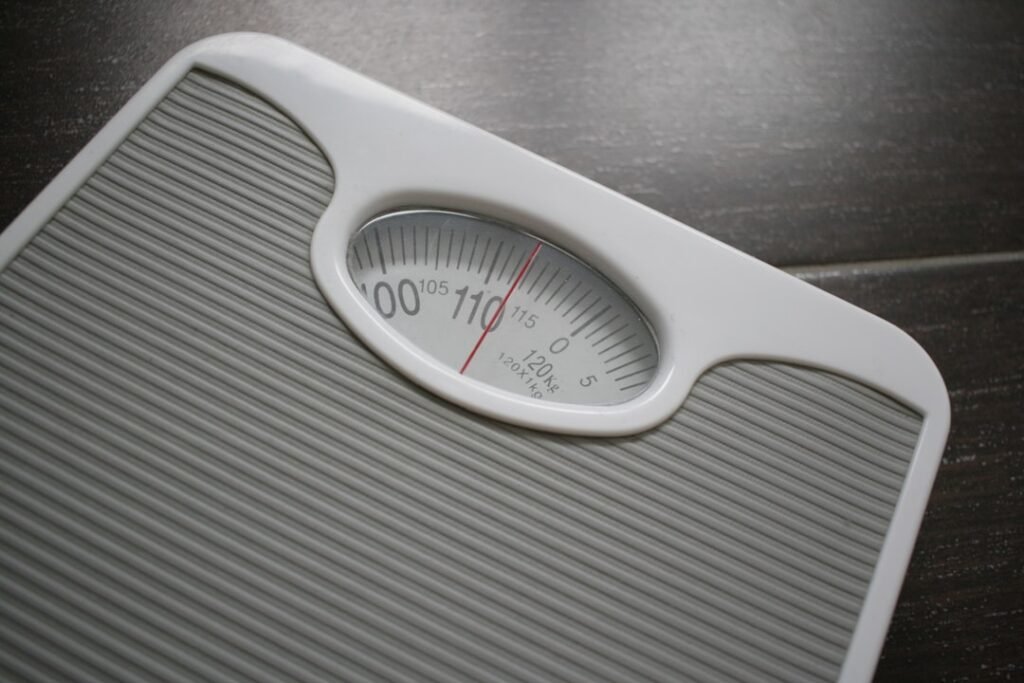
BMI shows up on every doctor’s chart and every fitness app, but it’s one of the most misunderstood numbers in health. Here’s what it actually measures, why it became the standard, and where it falls short.
What BMI actually measures
Body Mass Index is a simple ratio of weight to height squared. It was developed in the 1830s by a Belgian mathematician, not a doctor, as a way to describe body size across large populations for statistical purposes. It was never designed to assess any one individual’s health.
Despite that origin, BMI became the standard screening tool because it’s cheap, fast, and correlates reasonably well with body fat percentage across large groups of people. You can check your own number with our BMI calculator, which also shows your WHO category and a healthy weight range for your height.
Why BMI correlates with health risk, on average
At a population level, higher BMI is associated with increased risk of conditions like type 2 diabetes, heart disease, and certain cancers. This is why doctors use it as a quick first screen, it’s a reasonable starting signal when you don’t have more detailed data, and it costs nothing to calculate.
Where BMI gets individuals wrong
The core limitation is that BMI can’t tell the difference between muscle and fat. A muscular athlete and a sedentary person of the same height and weight will show the identical BMI, despite having very different body compositions and health profiles. See our full breakdown of 8 factors that affect your BMI besides weight. Other known limitations include:
- It doesn’t account for where fat is stored on the body, which matters more for health risk than total fat alone.
- It uses the same categories across all adult ages, even though healthy body composition shifts naturally as people age.
- It doesn’t reflect bone density, frame size, or other structural differences between individuals.
- It was developed primarily from data on European populations and may not translate perfectly across all ethnic groups.
What to use alongside BMI
Most health professionals now treat BMI as a starting conversation, not a verdict. Other measures that add useful context include waist circumference (a proxy for visceral fat), body fat percentage measured by calipers or bioelectrical impedance scales, and simply how you feel functionally, energy levels, strength, and mobility. Note that BMI is calculated differently for kids, see why children and teens need pediatric growth charts instead.
If you’re tracking a weight goal alongside your BMI, our calorie calculator can help you estimate a daily calorie target based on your activity level and goal.
Is a BMI of 25 automatically unhealthy?
Not necessarily for every individual. A BMI just above 25 puts you in the “overweight” category on average population data, but individual health depends on many other factors including muscle mass, fitness level, and overall lifestyle.
Why do doctors still use BMI if it has limitations?
It’s fast, free, and correlates reasonably well with health risk across large populations, making it a useful first screening step before deeper assessment when needed.
What’s a better alternative to BMI?
There isn’t a single perfect replacement, but waist circumference, body fat percentage, and a full clinical assessment together give a more complete picture than BMI alone.
Written by EquateWorld Team
Part of the EquateWorld editorial team.